Auto Loan Budget Planning: Car Payment Financial Management
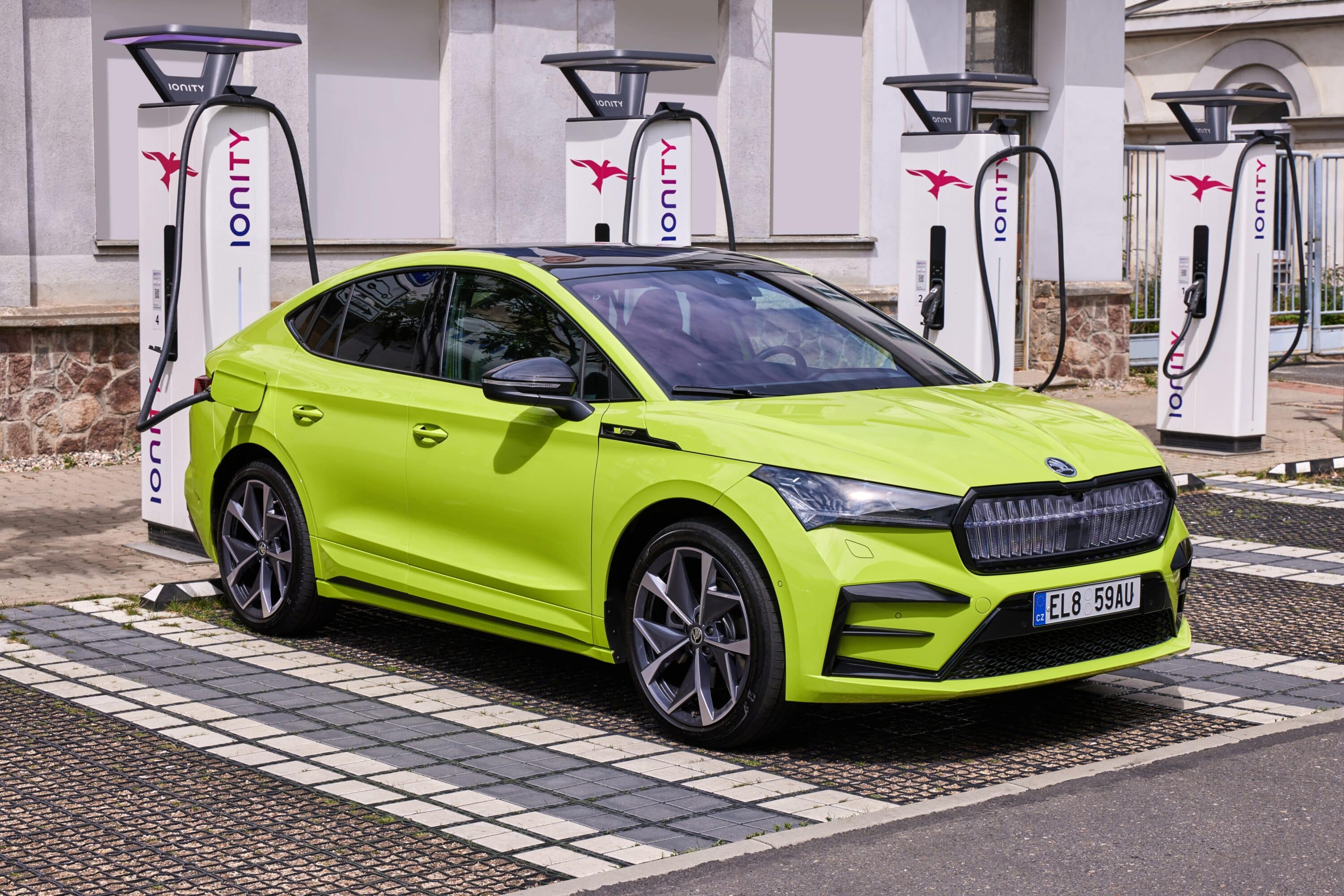
Dreaming of that new car smell? The open road and the freedom that comes with owning your own vehicle? It's an exciting prospect, but before you get swept away by the allure of shiny wheels, it's crucial to pump the brakes and consider the financial implications. A car is more than just a cool ride; it's a significant financial commitment that needs careful planning.
Many people find themselves overwhelmed when facing car payments. The excitement of a new car can quickly fade when you realize the monthly payments are stretching your budget thin. Juggling car payments with other essential expenses like rent, utilities, and groceries can create a stressful and challenging financial situation.
This article aims to equip you with the knowledge and tools to navigate the world of auto loans and car payments effectively. We'll explore strategies for creating a realistic budget, understanding loan terms, and making informed decisions that align with your financial goals. Taking control of your car payment financial management is the key to enjoying your vehicle without sacrificing your financial well-being.
We'll delve into the importance of budgeting, exploring loan options, understanding the total cost of car ownership, and finding ways to save money on your car loan. By mastering these concepts, you can drive away with confidence, knowing you've made a financially sound decision. Key takeaways will include understanding interest rates, loan terms, down payments, and the impact of these factors on your monthly payments and overall financial health.
Creating a Realistic Car Payment Budget
Creating a realistic car payment budget is the cornerstone of responsible car ownership. It's about more than just figuring out how much you canpotentiallyafford; it's about understanding your entire financial landscape and ensuring your car payment fits comfortably within it. I remember when I first got my license and started thinking about buying my own car. I was so focused on the make and model I wanted that I completely ignored the practical side of things. I didn't factor in insurance, gas, maintenance, or even the car payment itself! Needless to say, the reality check hit hard when I started looking at actual loan amounts and the associated costs. This experience taught me a valuable lesson about the importance of budgeting and planning before making a big purchase.
To start, meticulously track your monthly income and expenses. This includes everything from rent/mortgage and utilities to groceries, entertainment, and debt payments. Once you have a clear picture of your cash flow, you can determine how much disposable income you have available for a car payment. A general rule of thumb is to aim for a car payment that is no more than 10-15% of your gross monthly income. This helps ensure that you have enough buffer to cover other expenses and unexpected financial surprises. Remember to factor in additional car-related costs such as car insurance, fuel, regular maintenance (oil changes, tire rotations), and potential repairs. These expenses can quickly add up and significantly impact your overall budget. Tools such as budgeting apps, spreadsheets, and online calculators can be incredibly helpful in tracking your finances and determining a realistic car payment budget.
Understanding Auto Loan Terms
Understanding auto loan terms is paramount to securing a favorable deal and avoiding potential financial pitfalls. Auto loan terms encompass various aspects, including the interest rate, loan term length, down payment amount, and any associated fees. These factors significantly influence your monthly payments and the total amount you'll pay over the life of the loan. The interest rate is the percentage the lender charges you for borrowing money. A lower interest rate translates to lower monthly payments and less interest paid overall. Loan term length refers to the duration of the loan, typically ranging from 36 to 72 months. Shorter loan terms mean higher monthly payments but lower overall interest paid, while longer loan terms result in lower monthly payments but higher overall interest paid. The down payment is the upfront amount you pay towards the purchase price of the car. A larger down payment reduces the loan amount, resulting in lower monthly payments and potentially a lower interest rate.
Lenders assess your creditworthiness based on your credit score and credit history. A higher credit score typically qualifies you for lower interest rates and more favorable loan terms. Before applying for an auto loan, it's crucial to check your credit score and address any inaccuracies or negative items. Shop around and compare offers from different lenders, including banks, credit unions, and online lenders. Don't be afraid to negotiate the interest rate and loan terms to secure the best possible deal. Pay close attention to any fees associated with the loan, such as origination fees or prepayment penalties. Understand the implications of each loan term and choose the option that aligns with your financial goals and ability to repay the loan comfortably.
History and Myths of Auto Loan Budget Planning
The concept of auto loans has evolved significantly throughout history, reflecting changes in consumer behavior, economic conditions, and the automotive industry. In the early days of car ownership, purchasing a vehicle was primarily limited to affluent individuals who could afford to pay cash upfront. As cars became more accessible and mass-produced, the need for financing options emerged to make car ownership more attainable for the average person. One early myth surrounding auto loans was that taking out a loan was a sign of financial irresponsibility. People believed that if you couldn't afford to pay cash for a car, you shouldn't own one at all. However, this perception gradually shifted as auto loans became a mainstream financial tool.
The rise of auto loans can be traced back to the early 20th century when automakers like General Motors established financing divisions to help customers purchase their vehicles. These financing arms offered installment plans that allowed buyers to make monthly payments over a set period, making car ownership more accessible to a wider range of consumers. Over time, auto loans became increasingly sophisticated, with various loan products and features designed to cater to different borrower profiles and needs. Today, auto loans are an integral part of the automotive industry, enabling millions of people to own cars and contributing significantly to the economy.
Hidden Secrets of Auto Loan Budget Planning
One of the hidden secrets of auto loan budget planning lies in the power of negotiation. Many people assume that the interest rate and loan terms offered by a lender are set in stone, but this is often not the case. With a little research and preparation, you can negotiate for a better deal and save a significant amount of money over the life of the loan. Before you start negotiating, it's essential to do your homework and understand your credit score, credit history, and the current market rates for auto loans. This knowledge will empower you to make informed decisions and confidently counter any offers that are not in your best interest.
Another hidden secret is the importance of considering the total cost of car ownership, not just the monthly payment. Many people focus solely on the monthly payment amount without factoring in other expenses such as insurance, gas, maintenance, and repairs. These expenses can quickly add up and significantly impact your overall budget. By taking a holistic view of car ownership costs, you can make a more informed decision about the type of car you can afford and avoid financial strain down the road.
Recommendations for Auto Loan Budget Planning
My first recommendation for effective auto loan budget planning is to prioritize saving for a substantial down payment. A larger down payment reduces the loan amount, resulting in lower monthly payments and potentially a lower interest rate. Aim to save at least 20% of the car's purchase price for a down payment. This shows lenders you're serious about your financial commitment and can significantly improve your chances of securing a favorable loan deal. If saving a large sum upfront seems daunting, start small and set realistic savings goals each month. Consider automating your savings by setting up a recurring transfer from your checking account to a dedicated savings account. Even small, consistent contributions can add up over time and make a significant difference when it comes time to buy your car.
Another key recommendation is to get pre-approved for an auto loan before you start shopping for a car. Getting pre-approved gives you a clear idea of how much you can borrow and the interest rate you'll likely qualify for. This allows you to shop for a car with confidence, knowing you have financing in place. Pre-approval also gives you leverage when negotiating with the dealer, as you can focus on the car's price rather than being swayed by financing offers that may not be in your best interest. Contact your bank, credit union, or online lenders to get pre-approved for an auto loan. Be prepared to provide documentation such as proof of income, employment history, and credit information.
Calculating Affordability
Calculating affordability involves assessing your financial situation to determine how much you can realistically spend on a car payment each month. This process requires a careful review of your income, expenses, and debt obligations. Start by calculating your net monthly income, which is your income after taxes and other deductions. Then, list all your monthly expenses, including rent/mortgage, utilities, groceries, insurance, loan payments, and other recurring costs. Subtract your total monthly expenses from your net monthly income to determine your disposable income. This is the amount of money you have available each month after covering your essential expenses. It's important to be honest and realistic when estimating your expenses to avoid overestimating your affordability. Once you have calculated your disposable income, you can determine how much of that you can comfortably allocate to a car payment. As a general rule, it's recommended that your car payment, including insurance and gas, should not exceed 15-20% of your net monthly income. This ensures that you have enough buffer to cover other expenses and unexpected financial surprises.
Tips for Saving Money on Your Car Loan
One of the most effective tips for saving money on your car loan is to improve your credit score. Your credit score is a major factor that lenders consider when determining your interest rate. A higher credit score translates to lower interest rates, which can save you thousands of dollars over the life of the loan. Check your credit report regularly and dispute any inaccuracies or errors. Pay your bills on time and keep your credit card balances low. Avoid opening too many new credit accounts at once, as this can negatively impact your credit score. Consider becoming an authorized user on a family member's or friend's credit card with a good payment history. This can help boost your credit score, especially if you have limited credit history.
Another valuable tip is to shop around and compare offers from multiple lenders. Don't settle for the first loan offer you receive. Contact your bank, credit union, and online lenders to see what interest rates and terms they can offer you. Be sure to compare the annual percentage rate (APR), which includes the interest rate and any fees associated with the loan. Negotiate the interest rate and loan terms with the lender to see if you can get a better deal. Even a small reduction in the interest rate can save you a significant amount of money over the life of the loan.
Negotiating with Dealers
Negotiating with car dealers is a crucial skill for securing the best possible price on your new or used vehicle. Dealers are in the business of making a profit, so it's essential to come prepared and be assertive in your negotiations. Research the car's market value before you visit the dealership. Online resources like Kelley Blue Book and Edmunds provide valuable information about the car's average selling price in your area. This knowledge will empower you to make a reasonable offer and avoid overpaying for the vehicle. Don't be afraid to walk away from the deal if the dealer is not willing to meet your price. Often, dealers will be more willing to negotiate if they know you are prepared to take your business elsewhere.
Fun Facts of this Auto Loan Budget Planning
Did you know that the average car payment in the United States is around $500-$600 per month? That's a significant chunk of change, highlighting the importance of careful budget planning before taking out an auto loan. Another fun fact is that the length of the average auto loan has been increasing over the years. In the past, 36-month or 48-month loans were the norm, but now it's common to see 60-month or even 72-month loans. While longer loan terms can result in lower monthly payments, they also mean you'll pay more interest over the life of the loan. It's important to weigh the pros and cons of different loan terms and choose the option that best fits your financial situation. One interesting historical tidbit: The first auto loan was offered by General Motors Acceptance Corporation (GMAC) in 1919. This marked a turning point in the automotive industry, making car ownership more accessible to a wider range of consumers.
Another fun fact is that the color of your car can actually affect its resale value. While it's not a huge factor, certain colors tend to hold their value better than others. Neutral colors like silver, black, and white are generally more popular and easier to sell, while less common colors may appeal to a smaller pool of buyers. Of course, personal preference is the most important factor when choosing a car color, but it's something to keep in mind if you're concerned about resale value.
How to Auto Loan Budget Planning
Auto loan budget planning involves several key steps to ensure you're making a financially sound decision. First, assess your current financial situation. Calculate your income, expenses, and debts to determine how much you can realistically afford to spend on a car payment each month. Be honest with yourself about your spending habits and financial priorities. Next, research different car models and prices. Determine the type of car you need and want, and then compare prices from different dealerships and online sources. Consider factors such as fuel efficiency, maintenance costs, and insurance rates when evaluating different car models. Get pre-approved for an auto loan before you start shopping for a car. This will give you a clear idea of how much you can borrow and the interest rate you'll likely qualify for.
Once you have a pre-approved loan, shop around and compare offers from multiple dealerships. Don't be afraid to negotiate the price of the car and the terms of the loan. Be prepared to walk away from the deal if you're not comfortable with the terms. Before you finalize the loan, carefully review all the documents and make sure you understand the interest rate, loan term, and any fees associated with the loan. If you're unsure about anything, ask the dealer or lender for clarification. Finally, make sure you can comfortably afford the monthly payments and that the car fits within your overall budget. Remember to factor in additional expenses such as insurance, gas, maintenance, and repairs.
What if Auto Loan Budget Planning
What if you've already taken out an auto loan and are struggling to make your monthly payments? Don't panic. There are several options you can explore to get back on track. Contact your lender and explain your situation. They may be willing to work with you to modify your loan terms, such as lowering your interest rate or extending the loan term. This can reduce your monthly payments and make them more manageable. Consider refinancing your auto loan with another lender. If interest rates have dropped since you took out your original loan, you may be able to get a lower interest rate by refinancing. This can save you money on your monthly payments and over the life of the loan. Explore ways to reduce your other expenses to free up more money for your car payment. Cut back on non-essential spending such as dining out, entertainment, or subscription services.
If you're facing a temporary financial hardship, you may be able to defer your car payments for a short period. However, keep in mind that interest will continue to accrue during the deferment period, and you'll eventually have to repay the deferred payments. If you're unable to afford your car payment even after exploring these options, consider selling your car and buying a cheaper one. This can free up a significant amount of money each month and help you avoid defaulting on your loan. As a last resort, consider talking to a credit counselor or financial advisor. They can help you assess your financial situation and develop a plan to get back on track.
Listicle of Auto Loan Budget Planning
Here's a listicle highlighting key aspects of auto loan budget planning: 1. Track Your Income and Expenses: Understand your cash flow to determine affordability.
2. Check Your Credit Score: A higher score leads to better loan terms.
3. Shop Around for Loans: Compare offers from multiple lenders.
4. Negotiate the Interest Rate: Don't be afraid to ask for a better deal.
5. Consider the Total Cost of Ownership: Factor in insurance, gas, and maintenance.
6. Save for a Down Payment: A larger down payment reduces the loan amount.
7. Choose the Right Loan Term: Balance monthly payments with overall interest paid.
8. Get Pre-Approved for a Loan: Know your borrowing power before shopping.
9. Read the Fine Print: Understand all loan terms and conditions.
10. Create a Budget and Stick to It: Stay on track with your car payments.
Question and Answer
Q: How much should I put down on a car?
A: Aim for at least 20% of the car's purchase price to lower your loan amount and potentially secure a better interest rate.
Q: What is a good interest rate for an auto loan?
A: A good interest rate depends on your credit score, but generally, the lower the rate, the better. Shop around to compare offers and negotiate for the best possible rate.
Q: How long should my auto loan be?
A: A shorter loan term (36-48 months) will result in higher monthly payments but lower overall interest paid. A longer loan term (60-72 months) will result in lower monthly payments but higher overall interest paid. Choose the term that best fits your budget and financial goals.
Q: What if I can't afford my car payments?
A: Contact your lender to discuss options such as loan modification or deferment. Consider refinancing your loan or selling your car and buying a cheaper one.
Conclusion of Auto Loan Budget Planning: Car Payment Financial Management
Mastering auto loan budget planning is essential for responsible car ownership and overall financial well-being. By creating a realistic budget, understanding loan terms, and exploring strategies for saving money, you can navigate the world of auto loans with confidence. Remember to shop around for the best loan offers, negotiate the interest rate, and consider the total cost of car ownership. With careful planning and diligent financial management, you can enjoy the freedom and convenience of owning a car without sacrificing your financial security.
Post a Comment