Divorced Parent Money Management: Co-Parenting Financial Strategies
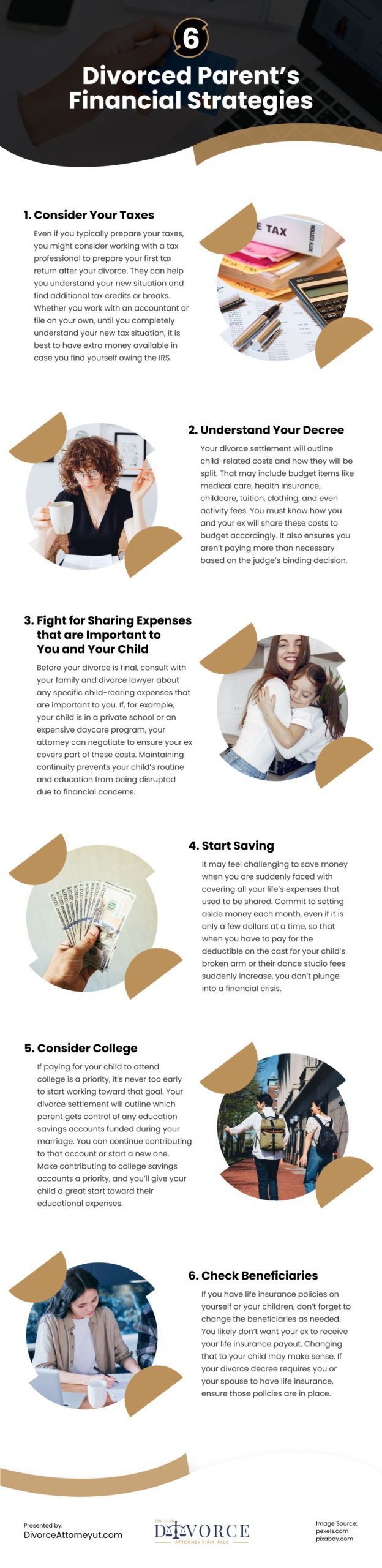
Navigating life after divorce is a journey filled with new challenges, and when children are involved, managing finances becomes even more complex. It's like learning a new language, where financial decisions are no longer solely your own, but intertwined with your former partner in raising your children.
Figuring out who pays for what, understanding child support obligations, and planning for future expenses like college can feel like navigating a minefield. Disagreements about money can quickly escalate and create tension, making it difficult to focus on what truly matters: your children's well-being.
This guide aims to provide divorced parents with the strategies and knowledge they need to navigate the often-tricky world of co-parenting finances. We'll explore practical tips for budgeting, communicating effectively, and making fair financial decisions that benefit your children.
In this article, we'll delve into strategies for creating a co-parenting budget, establishing clear communication, addressing unexpected expenses, planning for long-term financial goals like education, and navigating legal and financial agreements. By implementing these strategies, divorced parents can create a stable financial foundation for their children, minimize conflict, and foster a more positive co-parenting relationship.
Creating a Co-Parenting Budget
Creating a co-parenting budget is the first step toward achieving financial clarity and stability. I remember when my best friend, Sarah, went through her divorce. The biggest source of conflict wasn't necessarily the large expenses, but the constant back-and-forth about smaller things – who would pay for soccer cleats, school trips, or even birthday presents. She felt like she was constantly being nickel-and-dimed, and it was creating a lot of resentment. This highlighted the need for a clear, agreed-upon budget. A well-defined co-parenting budget clearly outlines each parent's financial responsibilities for child-related expenses. Start by listing all recurring expenses like childcare, healthcare, school fees, extracurricular activities, clothing, and allowances. Once you've identified all the necessary expenses, you can discuss how to split these costs fairly. This could be a 50/50 split, or it could be based on each parent's income. Remember, the goal is to create a system that feels equitable to both parties and prioritizes the children's needs. Documenting the agreed-upon budget is crucial to avoid future misunderstandings. Having a written agreement, even if it's not legally binding, provides a clear reference point for both parents. Review and adjust the budget periodically, as circumstances change. Life throws curveballs, and your budget should be flexible enough to accommodate unexpected expenses or changes in income.
Establishing Clear Communication
Clear and open communication is essential for successful co-parenting, especially when it comes to finances. Without it, misunderstandings and resentment can quickly fester. Think of it like building a bridge: you need strong supports on both sides and a clear path in between. What does "clear communication" even mean in this context? It means being transparent about your financial situation, discussing expenses openly, and actively listening to each other's concerns. Using a shared online platform or app can be incredibly helpful for tracking expenses, sharing receipts, and communicating about financial matters. These platforms provide a central location for all financial information, reducing the likelihood of miscommunication or lost records. Regular meetings, either in person or virtually, can also be beneficial for discussing financial matters and making joint decisions. These meetings should be structured and focused on the children's needs. Remember to keep emotions in check and focus on finding solutions that work for everyone. It’s crucial to establish ground rules for communication. For example, agree to respond to financial inquiries within a certain timeframe and avoid using accusatory language. Be respectful of each other's opinions and work together to find common ground. Even if you disagree on certain financial matters, try to find a compromise that benefits your children.
Addressing Unexpected Expenses
Life is full of surprises, and unexpected expenses are an inevitable part of parenting. The trick is to have a plan in place for dealing with them when they arise. For many, the idea of planning for unexpected expenses can feel like an exercise in futility – how can you plan for something you don't know is coming? But it’s less about predicting the future and more about creating a buffer to absorb those unforeseen costs. Discuss in advance how you will handle unexpected expenses, such as medical bills, emergency repairs, or unforeseen school fees. Consider creating a joint savings account specifically for these types of expenses. Contribute a set amount each month to the account, ensuring that funds are available when needed. If a joint savings account isn't feasible, agree on a process for sharing the cost of unexpected expenses. This could involve splitting the cost based on your agreed-upon budget, or it could be based on each parent's ability to pay at the time. The key is to have a clear understanding of how these expenses will be handled to avoid conflict and ensure that your children's needs are met promptly. It’s a great idea to document the agreed-upon process for handling unexpected expenses in your co-parenting agreement. This will provide a clear reference point for both parents and help to avoid disagreements in the future. Remember, flexibility is key. Unexpected expenses can be stressful, but by working together and communicating openly, you can navigate these challenges effectively.
Planning for Long-Term Financial Goals
While day-to-day expenses are important, it's also crucial to plan for your children's future. This includes saving for college, extracurricular activities, and other long-term goals. Saving for college can seem daunting, but starting early, even with small contributions, can make a big difference. Open a 529 plan or other college savings account and contribute regularly. Discuss with your co-parent how much you each plan to contribute and how you will manage the account. Consider setting up automatic transfers from your bank accounts to ensure that you are consistently saving. In addition to college savings, it’s also important to plan for other long-term expenses, such as extracurricular activities or special needs. These expenses can add up over time, so it's important to factor them into your financial planning. Communicate openly with your co-parent about your long-term financial goals for your children and work together to create a plan to achieve them. This may involve adjusting your budget, increasing your savings, or seeking financial advice. Remember, investing in your children's future is one of the best things you can do for them. By planning ahead and working together, you can ensure that they have the resources they need to succeed.
Legal and Financial Agreements
A legally binding separation agreement or divorce decree is the cornerstone of co-parenting finances. Without a clear legal framework, misunderstandings and conflicts are almost inevitable. These documents outline each parent's rights and responsibilities regarding child support, alimony, and other financial matters. If you don't already have a legal agreement in place, it’s essential to consult with an attorney to create one. The agreement should be clear, concise, and easy to understand. It should cover all relevant financial matters, including child support, healthcare expenses, extracurricular activities, and college savings. Review your legal and financial agreements periodically to ensure that they are still relevant and appropriate. As your children grow and their needs change, your agreements may need to be updated. For example, child support payments may need to be adjusted as your children get older, or you may need to make changes to your healthcare coverage. Seek legal advice if you need to make changes to your agreements. An attorney can help you navigate the legal process and ensure that your rights are protected. Remember, your legal and financial agreements are there to protect your children's interests and provide a clear framework for co-parenting finances. By adhering to these agreements and seeking legal advice when needed, you can minimize conflict and ensure that your children's needs are met.
Navigating Child Support
Child support is a critical aspect of co-parenting finances, designed to ensure that both parents contribute financially to their children's well-being. Determining the appropriate amount of child support can be complex, as it often depends on a variety of factors, including each parent's income, the number of children, and the state's child support guidelines. It's important to understand how child support is calculated in your state and to ensure that the amount is fair and equitable. Child support payments are typically used to cover basic expenses, such as housing, food, clothing, and healthcare. However, they may also cover other expenses, such as childcare, extracurricular activities, and education. It’s important to communicate with your co-parent about how child support payments are being used and to ensure that they are benefiting your children. Child support orders are legally binding, and failure to comply with them can have serious consequences. If you are unable to make your child support payments due to financial hardship, it’s important to contact the court and request a modification of the order. Ignoring the problem will only make it worse. Similarly, if you believe that your co-parent is not using child support payments appropriately, you can also petition the court for a review of the order. Remember, the primary goal of child support is to ensure that your children have the resources they need to thrive. By understanding your rights and responsibilities and communicating openly with your co-parent, you can navigate the complexities of child support effectively.
Tips for Stress-Free Co-Parenting Finances
Co-parenting finances can be a source of stress and conflict, but it doesn't have to be. By implementing a few simple strategies, you can minimize stress and create a more positive co-parenting relationship. One of the most important tips is to keep emotions in check. When discussing financial matters with your co-parent, try to remain calm and objective. Avoid using accusatory language or engaging in personal attacks. Focus on finding solutions that work for everyone. Another helpful tip is to document everything. Keep track of all expenses, payments, and communications related to co-parenting finances. This will help to avoid misunderstandings and provide a clear record of your financial transactions. Consider using a shared online platform or app to track expenses and communicate with your co-parent. These platforms can help to streamline the process and reduce the likelihood of errors. Don't be afraid to seek professional help. If you are struggling to manage co-parenting finances, consider consulting with a financial advisor or mediator. These professionals can provide guidance and support to help you navigate the challenges of co-parenting finances. Remember, co-parenting is a team effort. By working together and communicating openly, you can create a stable financial foundation for your children and foster a more positive co-parenting relationship.
The Importance of a Joint Bank Account
While it might seem counterintuitive after a divorce, a joint bank account can be a surprisingly effective tool for managing shared expenses. Now, this isn't about re-mingling your personal finances – it's specifically for child-related costs. A joint account dedicated to child expenses can simplify budgeting and tracking. Both parents contribute an agreed-upon amount each month, and funds are used exclusively for the children's needs, such as school supplies, medical bills, or extracurricular activities. This transparency can build trust and reduce suspicion about how money is being spent. Setting clear rules for the account is essential. Define which expenses can be paid from the account, the process for requesting reimbursements, and how to resolve any disputes. Regular communication is key – both parents should have access to the account statements and discuss any significant withdrawals or deposits. Of course, a joint account isn't for everyone. If you and your co-parent have a history of financial mismanagement or severe conflict, this might not be the right approach. However, for many divorced parents, it can be a valuable tool for streamlining co-parenting finances and promoting cooperation. Even if you don’t use the same bank, automating payments can make things easier too. If you can agree to have set payments on set days, that can save a lot of time.
Fun Facts About Co-Parenting Finances
Did you know that co-parenting arrangements can actually improve children's financial literacy? When children see their parents working together to manage finances, even after a divorce, they learn valuable lessons about budgeting, saving, and responsible spending. Here's another interesting fact: studies have shown that children of divorced parents who co-parent effectively are more likely to have higher self-esteem and better academic performance. This highlights the importance of prioritizing cooperation and communication, even when it's difficult. Co-parenting isn’t just about money. It’s about creating a safe and stable environment for your children to grow and thrive. Some research even suggests that children in successful co-parenting arrangements report less stress and anxiety than children whose parents are constantly in conflict. While divorce can be a challenging experience for everyone involved, it doesn't have to define your children's future. By focusing on co-parenting and prioritizing their needs, you can help them to overcome the challenges of divorce and build a bright future. Remember, you are still a team, even if you are no longer a couple. Work together, communicate openly, and prioritize your children's well-being. The payoff will be well worth the effort.
How to Handle Disagreements
Disagreements about money are common in any relationship, and co-parenting is no exception. The key is to have a plan for resolving these disputes effectively. When disagreements arise, take a step back and try to remain calm. Avoid reacting emotionally and focus on finding a solution that benefits your children. Listen to your co-parent's perspective and try to understand their concerns. Don't interrupt or dismiss their opinions. Instead, ask clarifying questions and try to see things from their point of view. Compromise is essential. Be willing to give and take in order to reach an agreement that works for both of you. Remember, the goal is to find a solution that is fair and equitable for everyone involved. If you are unable to resolve disagreements on your own, consider seeking mediation. A mediator is a neutral third party who can help you to communicate more effectively and reach a mutually agreeable solution. Mediation can be a valuable tool for resolving conflicts and preserving your co-parenting relationship. Don't let disagreements fester. Address them promptly and constructively. The longer you wait, the more difficult they will become to resolve. Remember, your children are watching how you handle conflict. By modeling respectful communication and problem-solving skills, you can teach them valuable lessons about how to navigate disagreements in their own lives.
What If My Co-Parent Is Uncooperative?
Dealing with an uncooperative co-parent can be incredibly frustrating, especially when it comes to finances. However, there are steps you can take to protect your children's interests and minimize conflict. First, document everything. Keep a detailed record of all communication, expenses, and payments related to co-parenting finances. This will be invaluable if you need to take legal action in the future. Second, adhere strictly to your legal and financial agreements. If your co-parent is not complying with the terms of the agreement, consult with an attorney to explore your legal options. Third, communicate in writing whenever possible. This will provide a clear record of your conversations and reduce the likelihood of misunderstandings. Fourth, focus on what you can control. You can't force your co-parent to cooperate, but you can control your own behavior and actions. Remain calm, respectful, and focused on your children's needs. Fifth, seek support from friends, family, or a therapist. Dealing with an uncooperative co-parent can be emotionally draining, so it's important to have a support system in place. Remember, you are not alone. Many divorced parents face similar challenges. By taking proactive steps and seeking support, you can navigate these challenges effectively and protect your children's well-being. It’s okay to ask for help from a therapist in this situation.
Top 5 Co-Parenting Financial Strategies
Let's boil it down to the essentials: here are five key strategies for managing co-parenting finances effectively. 1. Create a detailed co-parenting budget: This is the foundation for financial clarity and stability. Outline all child-related expenses and determine how you will split the costs.
2. Establish clear communication: Use a shared online platform, schedule regular meetings, and establish ground rules for communication.
3. Plan for unexpected expenses: Create a joint savings account or agree on a process for sharing the cost of unforeseen expenses.
4. Prioritize long-term financial goals: Save for college, extracurricular activities, and other long-term expenses.
5. Adhere to legal and financial agreements: Consult with an attorney to create a legally binding agreement and review it periodically. These five strategies will help you to navigate the complexities of co-parenting finances with greater ease and confidence. Remember, the goal is to create a stable financial foundation for your children and foster a more positive co-parenting relationship. By implementing these strategies and working together, you can achieve these goals and provide your children with the best possible future. It won’t always be easy, but with perseverance, it is possible.
Question and Answer
Q: What if my ex-spouse refuses to contribute to agreed-upon expenses?
A: Document everything. If you have a court order, you can take them back to court for non-compliance. If it's an informal agreement, having a record of the agreement and their refusal can strengthen your case if you decide to pursue legal action.
Q: How do I deal with disagreements over extracurricular activities and their costs?
A: Discuss extracurricular activities beforehand and agree on a budget for each activity. If you can't agree, consider limiting the number of activities or choosing more affordable options. Mediation can also help to facilitate a compromise.
Q: What if my ex-spouse is deliberately underreporting their income to avoid paying child support?
A: This is a serious issue. Gather any evidence you have that suggests they are underreporting their income and consult with an attorney. They can help you to investigate and take legal action to ensure that child support is calculated accurately.
Q: How can I create a budget when my income is variable or unpredictable?
A: Track your income and expenses for several months to get an average. Use the lowest income estimate as your baseline budget and treat any additional income as a bonus to allocate towards savings or unexpected expenses.
Conclusion of Divorced Parent Money Management: Co-Parenting Financial Strategies
Managing finances as divorced parents presents unique challenges, but with the right strategies, it's entirely possible to create a stable and supportive environment for your children. By prioritizing open communication, creating a detailed budget, planning for the future, and adhering to legal agreements, you can minimize conflict and ensure that your children's needs are met. Remember, co-parenting is a journey, not a destination. There will be bumps along the road, but by working together and prioritizing your children's well-being, you can navigate these challenges effectively and build a brighter future for your family. Focus on the things you can control, seek support when you need it, and never lose sight of the fact that you are still a team, even if you are no longer a couple.
Post a Comment