Food Truck Owner Budget Planning: Mobile Business Financial Guide
Ever dreamt of owning a food truck, cruising around town serving up your culinary creations? The freedom, the creativity, the delicious smells wafting through the air – it's a tempting vision. But before you fire up the grill, there's a crucial aspect to consider that can make or break your mobile food empire: mastering your budget.
Many aspiring food truck owners quickly discover that the day-to-day realities of running a mobile kitchen involve more than just cooking great food. Managing expenses like permits, fuel, inventory, and unexpected repairs can feel like navigating a financial minefield. Without a solid plan, you might find yourself burning through cash faster than you can flip a burger.
This guide is designed to help you navigate the financial landscape of owning a food truck. We'll break down the essential elements of budget planning, from initial start-up costs to ongoing operational expenses, so you can build a sustainable and profitable mobile business.
We'll cover everything from estimating start-up costs and creating a detailed operational budget to tracking expenses and identifying areas for improvement. You'll learn how to forecast sales, manage inventory effectively, and ensure you're pricing your menu items for profitability. By mastering these financial fundamentals, you'll be well-equipped to drive your food truck business to success and avoid costly pitfalls.
Understanding Your Start-Up Costs
The first hurdle for any new food truck owner is understanding the initial investment required. This isn't just about buying a truck; it's about everything that goes into getting your business up and running. I remember when I first started researching food trucks, I was floored by the sheer number of costs I hadn't considered! Beyond the truck itself, there were permits, licenses, equipment, initial inventory, marketing materials, and even things like point-of-sale systems. It was overwhelming, to say the least.
The cost of the truck itself will vary greatly depending on whether you're buying new or used, and the features it includes. A brand-new, custom-built truck can easily run upwards of $100,000, while a used truck might be available for a fraction of that price. However, remember that a used truck might require repairs or upgrades, so factor those potential costs into your budget. Securing the necessary permits and licenses is also a key initial expense. These requirements vary significantly by location, so research your local regulations thoroughly. Don't forget about the cost of equipment like grills, fryers, refrigerators, and food prep stations. Then there's the initial investment in food inventory, packaging materials, and marketing collateral like menus and signage. Setting up a point-of-sale system for processing payments is also crucial. All of these initial investments are key to starting a food truck business. By accounting for these early expenses, you can plan efficiently before you start. Don't let these costs deter you, instead, let them push you to plan efficiently!
Creating an Operational Budget
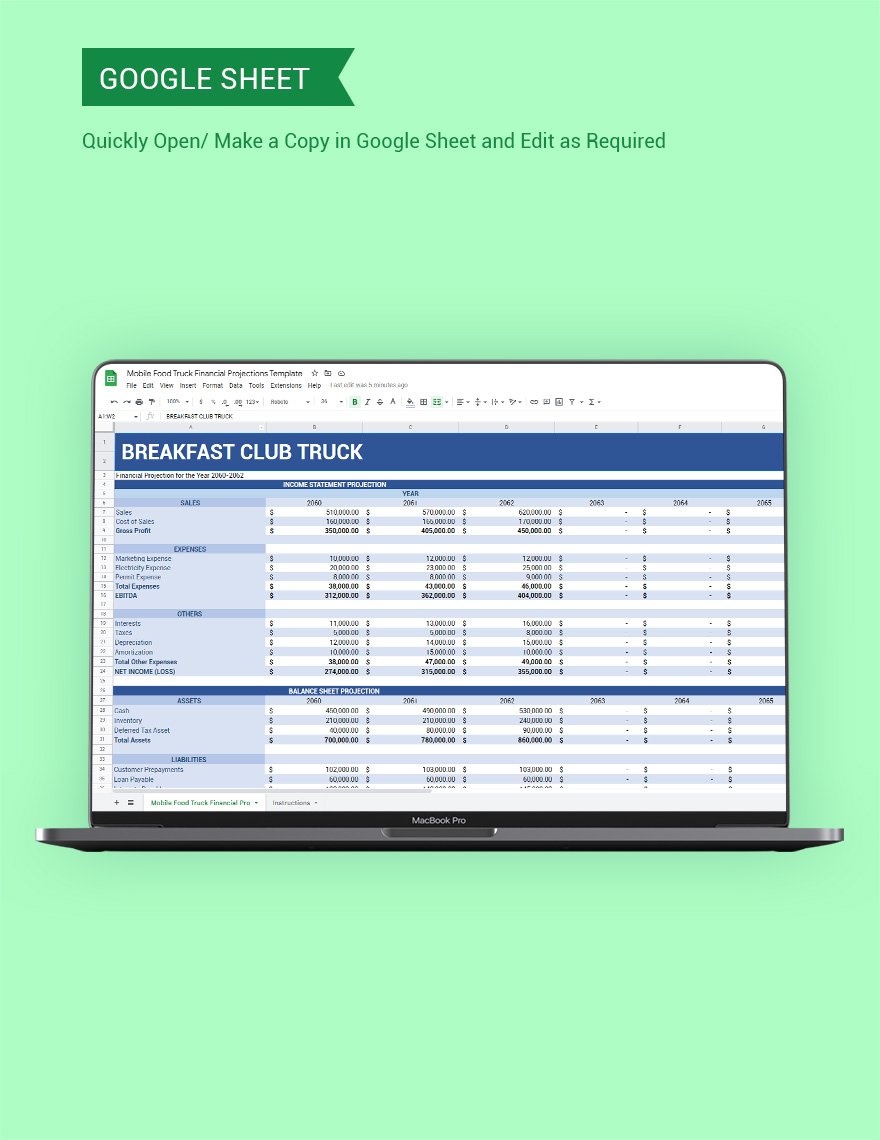
An operational budget is your roadmap for managing your food truck's finances on a daily, weekly, and monthly basis. It's a detailed plan that outlines your projected income and expenses, allowing you to track your financial performance and make informed decisions. Without a solid operational budget, you're essentially driving blind, unsure of whether you're headed towards profit or financial ruin.
Begin by estimating your projected sales. This can be challenging, especially for a new business, but do your best to research your target market, analyze competitor pricing, and consider factors like location and seasonality. Next, list all your anticipated operational expenses, including food costs, labor, fuel, rent (if you're paying for a commissary kitchen or parking space), insurance, permits, marketing, and maintenance. Food costs are typically one of the largest expenses for a food truck, so it's crucial to negotiate with suppliers and track your inventory closely to minimize waste. Labor costs will depend on the number of employees you hire and their hourly wages. Factor in payroll taxes and benefits as well. Fuel costs can fluctuate significantly, so it's wise to budget conservatively and explore ways to reduce your fuel consumption, such as planning efficient routes. Regularly review your operational budget and compare it to your actual performance. This will help you identify areas where you're overspending or underperforming, allowing you to make adjustments and stay on track.
The History and Myth of Food Trucking
The history of food trucks is surprisingly rich, dating back much further than many people realize. While they've experienced a surge in popularity in recent years, their roots can be traced back to the late 19th century. It's a common myth that food trucks are a recent invention, born out of the 2008 recession, but that’s simply not the case.
In 1866, Charles Goodnight, a Texas cattle driver, invented the "chuckwagon" to feed his crew on long drives. This mobile kitchen was essentially the precursor to the modern food truck. Later, in the early 20th century, lunch wagons began appearing in urban areas, offering affordable meals to factory workers and laborers. These wagons evolved into diners and eventually, food trucks as we know them today. The myth of food trucks being a quick and easy path to riches is another common misconception. While some food truck owners have achieved significant success, it requires hard work, dedication, and a sound business plan. It's not just about serving delicious food; it's about managing finances, marketing your business, and providing excellent customer service. The modern food truck movement really took off in the 2000s, fueled by social media and a growing demand for diverse and high-quality food options. Chefs who couldn't afford brick-and-mortar restaurants saw food trucks as a more accessible way to launch their culinary careers. This shift led to a greater emphasis on gourmet food and creative menus, transforming the perception of food trucks from basic lunch vendors to culinary destinations.
Hidden Secrets to Food Truck Profitability
One of the biggest secrets to food truck profitability is understanding your cost of goods sold (COGS). This is the direct cost of producing the food you sell, including ingredients, packaging, and any other materials directly used in creating your menu items. Many food truck owners underestimate their COGS, leading to inaccurate pricing and reduced profit margins. Another secret weapon is mastering inventory management. Overstocking can lead to spoilage and waste, while understocking can result in lost sales and disappointed customers.
The hidden power of data analytics should also not be underestimated. Tracking your sales data, customer preferences, and popular menu items can provide valuable insights into your business. This information can help you optimize your menu, target your marketing efforts, and make informed decisions about staffing and inventory. Also, building a strong brand identity and marketing strategy is crucial for attracting and retaining customers. Social media is a powerful tool for food trucks, allowing you to connect with your audience, promote your menu, and announce your location. Consider offering loyalty programs or discounts to incentivize repeat business. Excellent customer service is another hidden secret to success. Word-of-mouth referrals are incredibly valuable, and happy customers are more likely to become repeat customers. Train your staff to be friendly, efficient, and knowledgeable about your menu. Address customer complaints promptly and professionally, and always strive to exceed expectations.
Recommendations for Budgeting Success
My top recommendation for food truck owners is to invest in accounting software. While it may seem like an unnecessary expense, it will save you countless hours of manual bookkeeping and provide you with real-time insights into your financial performance. Look for software that integrates with your point-of-sale system and allows you to track your income, expenses, and inventory efficiently.
Regularly review your financial statements, including your profit and loss statement and balance sheet. This will help you identify trends, spot potential problems, and make informed decisions about your business. Also, consider working with a financial advisor or accountant who specializes in the food industry. They can provide valuable advice on tax planning, budgeting, and financial management. Another recommendation is to create a separate bank account for your business. This will help you keep your personal and business finances separate, making it easier to track your income and expenses. Furthermore, build an emergency fund to cover unexpected expenses, such as truck repairs or equipment breakdowns. Aim to have at least three to six months' worth of operating expenses in reserve. Be prepared to adapt your budget as your business evolves. As you gain experience and learn more about your customer base, you may need to adjust your pricing, menu, or marketing strategy. Regularly evaluate your budget and make changes as needed to stay on track.
Contingency Planning: Preparing for the Unexpected
Contingency planning is a crucial aspect of food truck budget management that often gets overlooked. It involves preparing for unexpected events that could impact your business, such as equipment breakdowns, weather-related closures, or sudden increases in food costs. Without a contingency plan, you could find yourself scrambling to cover expenses during a crisis, potentially jeopardizing your financial stability.
Start by identifying potential risks that could affect your food truck. These might include truck repairs, generator failure, sudden price increases from suppliers, unexpected permit fees, or a significant drop in sales due to competition or economic downturn. For each risk, develop a plan of action to mitigate its impact. For example, if you rely on a generator, consider having a backup generator or a contingency plan for sourcing power from an alternative source. If your truck breaks down, have a relationship with a reliable mechanic who can provide prompt repairs. To protect against fluctuating food costs, consider negotiating fixed-price contracts with your suppliers or exploring alternative sourcing options. Having a contingency fund is essential for covering unexpected expenses. Aim to have enough cash on hand to cover at least one to two months of operating expenses. Review and update your contingency plan regularly, especially as your business grows and evolves. As your business changes, new risks may emerge, and your existing plans may need to be adjusted. By taking the time to develop a contingency plan, you can protect your food truck business from financial hardship and ensure its long-term success.
Tips for Saving Money on Food Truck Expenses
One of the easiest ways to save money on food truck expenses is to negotiate with your suppliers. Don't be afraid to ask for discounts, especially if you're buying in bulk or have a long-standing relationship with them. Even small savings can add up over time. Another tip is to minimize food waste by carefully planning your inventory and using up leftover ingredients creatively.
Track your food costs closely and identify any items that are consistently being wasted or thrown away. Adjust your purchasing habits accordingly. Optimize your fuel consumption by planning efficient routes and avoiding unnecessary idling. Consider investing in a fuel-efficient generator to further reduce your fuel costs. Implement energy-saving practices, such as using LED lighting and turning off equipment when it's not in use. Monitor your energy usage and identify ways to reduce your consumption. Promote your food truck effectively through social media and local marketing channels. Word-of-mouth referrals are also incredibly valuable, so encourage your customers to spread the word. Consider offering discounts or loyalty programs to incentivize repeat business. Review your insurance policies regularly and shop around for better rates. Make sure you have adequate coverage, but don't overpay for unnecessary protection. By implementing these money-saving tips, you can improve your food truck's profitability and keep your expenses under control.
Mastering Inventory Management
Inventory management is the art and science of efficiently managing your food supplies to minimize waste, maximize profits, and ensure you always have the ingredients you need to satisfy your customers. It's a delicate balancing act that requires careful planning, accurate tracking, and a willingness to adapt to changing demand.
The first step in mastering inventory management is to establish a system for tracking your food supplies. This can be as simple as a spreadsheet or as sophisticated as specialized inventory management software. Regularly count your inventory and compare it to your records to identify any discrepancies. Categorize your inventory based on perishability and usage rate. Prioritize high-turnover items and focus on minimizing waste for perishable goods. Accurate forecasting of demand is essential for effective inventory management. Analyze your sales data to identify trends and patterns in customer preferences. Pay attention to seasonal fluctuations and special events that may impact demand. Implement a "first-in, first-out" (FIFO) system to ensure that older items are used before newer ones. This helps prevent spoilage and minimizes waste. Store food properly to extend its shelf life and prevent contamination. Follow recommended storage guidelines for different types of food, and regularly inspect your storage areas for signs of pests or spoilage. Continuously evaluate your inventory management system and make adjustments as needed. As your business grows and evolves, your inventory needs will change, so it's important to stay flexible and adapt to new challenges.
Fun Facts About the Food Truck Industry
Did you know that the food truck industry is a multi-billion dollar industry, with continued growth projected in the coming years? It's a testament to the enduring appeal of mobile food and the entrepreneurial spirit of food truck owners. Also, the first food truck rally was held in Austin, Texas, in 2010, and it has since become an annual event that attracts thousands of food truck enthusiasts.
The rise of social media has played a significant role in the success of the food truck industry. Food trucks use social media to announce their location, promote their menu, and connect with their customers. In addition, many food trucks offer unique and innovative menu items that you won't find in traditional restaurants. This has helped to attract a loyal following of foodies who are always looking for the next culinary adventure. Also, the food truck industry is incredibly diverse, with trucks offering a wide range of cuisines, from gourmet burgers and tacos to international street food and desserts. This variety makes it easy for customers to find something they love. Furthermore, food trucks are often involved in their local communities, participating in festivals, charity events, and other community gatherings. This helps to build relationships with customers and create a sense of belonging.
How to Price Your Menu Items for Profitability
Pricing your menu items correctly is crucial for ensuring profitability. It's not just about covering your costs; it's about maximizing your revenue and building a sustainable business. One of the biggest mistakes food truck owners make is underpricing their menu items, leading to low profit margins and difficulty covering expenses.
Start by calculating your cost of goods sold (COGS) for each menu item. This includes the cost of ingredients, packaging, and any other materials directly used in creating the dish. To determine your desired profit margin, consider your operating expenses, target sales volume, and competitive pricing. A common rule of thumb is to aim for a food cost percentage of around 30-35%, but this can vary depending on your specific business. Analyze your competitors' pricing to understand the market landscape. Don't be afraid to price your menu items higher than your competitors if you offer a superior product or service. However, be prepared to justify your pricing to customers. Be flexible with your pricing and be willing to make adjustments as needed. Monitor your sales data and track the profitability of each menu item. Identify any items that are underperforming and consider raising the price, reducing the portion size, or removing them from the menu altogether. Consider using "psychological pricing" techniques to make your menu items more appealing. For example, pricing an item at $9.99 instead of $10 can make it seem more affordable. Regularly review your pricing strategy to ensure that it aligns with your business goals. As your costs and market conditions change, you may need to adjust your prices to maintain profitability.
What if You Can't Stick to Your Budget?
It's inevitable that at some point, you'll face challenges sticking to your budget. Unexpected expenses, slow sales, or rising food costs can all throw a wrench into your carefully laid plans. The key is to have a plan in place for how to respond to these situations, rather than panicking and making rash decisions.
Start by identifying the areas where you're overspending or falling short of your revenue goals. Once you've identified the problem areas, develop a plan to address them. This might involve cutting expenses, increasing prices, or implementing new marketing strategies. Cutting expenses is often the first instinct when facing budget challenges. Look for areas where you can reduce spending without sacrificing quality or customer service. Negotiate with suppliers, reduce inventory waste, and eliminate unnecessary expenses. If cutting expenses isn't enough, consider increasing your prices. However, be cautious about raising prices too much, as this could deter customers. Communicate your price increases clearly and explain the reasons behind them. Implement new marketing strategies to attract more customers and boost sales. Use social media, local advertising, and promotional offers to get the word out about your food truck. Regularly monitor your financial performance and track the effectiveness of your budget adjustments. Be prepared to make further adjustments as needed to stay on track. Above all, remain calm and focused. Budget challenges are a normal part of running a business, and with careful planning and decisive action, you can overcome them.
A Food Truck Budgeting Listicle: 7 Steps to Financial Success
1.Calculate Start-Up Costs: List every expense from the truck itself to permits and initial inventory.
2.Create an Operational Budget: Project income and expenses on a daily, weekly, or monthly basis.
3.Track Expenses Meticulously: Use accounting software or a spreadsheet to monitor every dollar spent.
4.Manage Inventory Wisely: Minimize waste by carefully planning your food orders.
5.Price Menu Items Strategically: Calculate COGS and set prices for a healthy profit margin.
6.Build an Emergency Fund: Prepare for unexpected expenses like repairs or equipment breakdowns.
7.Review and Adjust Regularly: Monitor your financial performance and adapt your budget as needed.
Question and Answer Section
Q: How often should I review my food truck budget?
A: You should review your budget at least monthly, if not weekly. This allows you to identify any potential problems early on and make adjustments as needed.
Q: What are the biggest expenses that food truck owners need to budget for?
A: The biggest expenses typically include food costs, labor, fuel, permits, and truck maintenance.
Q: How can I estimate my sales when starting a new food truck?
A: Research your target market, analyze competitor pricing, and consider factors like location and seasonality. Attend local events and observe the traffic at similar food trucks.
Q: What are some ways to cut costs on food truck expenses?
A: Negotiate with suppliers, minimize food waste, optimize fuel consumption, and implement energy-saving practices.
Conclusion of Food Truck Owner Budget Planning: Mobile Business Financial Guide
Mastering your budget is the cornerstone of a successful food truck business. By understanding your start-up costs, creating an operational budget, tracking expenses, managing inventory, and pricing your menu items strategically, you can build a profitable and sustainable mobile food empire. Don't be afraid to seek help from financial professionals, and always be prepared to adapt your budget as your business evolves. With careful planning and diligent financial management, you can turn your food truck dreams into a delicious reality.
Post a Comment