Hurricane Recovery Budget Planning: Storm Damage Financial Guide
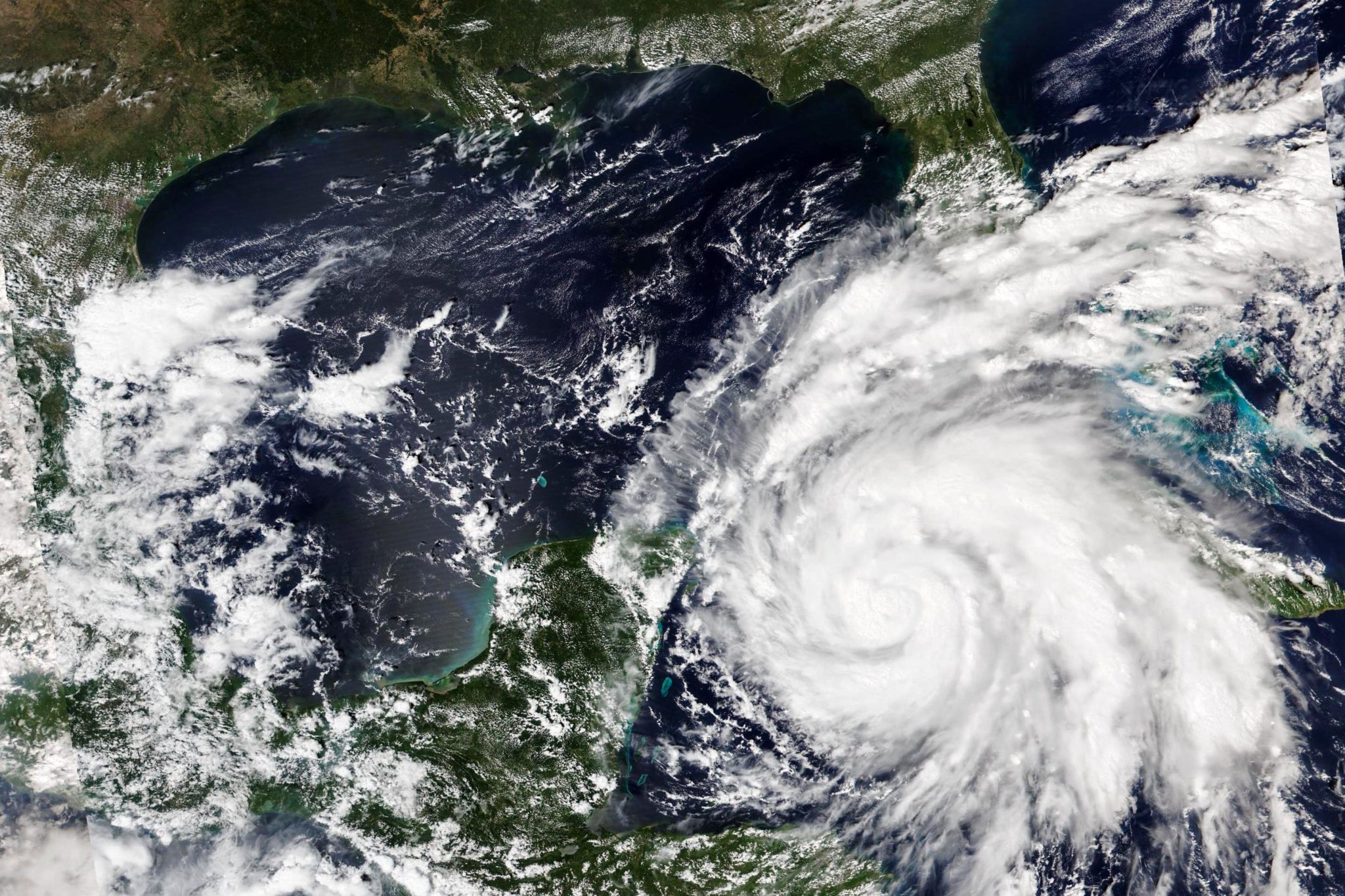
The wind howls, rain lashes against the windows, and the power flickers. A hurricane is a terrifying force of nature, but the aftermath can be just as daunting. Beyond the immediate safety concerns, the financial burden of recovery can feel overwhelming. Where do you even begin when faced with property damage and the uncertainty of insurance claims?
Dealing with the aftermath of a hurricane often means navigating a confusing maze of insurance paperwork, unexpected repair costs, and the emotional stress of rebuilding. Many homeowners struggle to accurately assess the damage, understand their insurance coverage, and create a realistic budget for recovery. The process can feel isolating and leave you wondering if you're making the right decisions to protect your financial future.
This guide is designed to help you navigate the financial complexities of hurricane recovery. We'll walk you through creating a budget, understanding your insurance policy, finding resources, and making informed decisions to rebuild your life after the storm. This is about taking control of your financial recovery and moving forward with confidence.
This article provides guidance on how to navigate the financial complexities of hurricane recovery by creating a budget, understanding insurance policies, and identifying available resources. We'll cover assessing damage, documenting losses, working with insurance adjusters, and exploring government assistance programs. The goal is to empower you to take control of your financial future and rebuild with confidence after a hurricane.
Understanding Your Insurance Policy
Understanding your insurance policy is the bedrock of your financial recovery. It's not the most exciting read, I know. I remember after Hurricane Wilma, I blindly trusted the adjuster. I didn’t fully grasp my policy's fine print and what exactly was covered. Big mistake! We ended up significantly short on funds because I didn't properly document everything or push back when they initially lowballed the claim. So, step one: dig out your policy! Your insurance policy is your first line of defense. Read it carefully, paying attention to coverage limits, deductibles, and exclusions. Look for specific clauses related to hurricane damage, flood damage, wind damage, and mold remediation. Document everything thoroughly – take photos and videos of all damage before any repairs are made. This documentation will be crucial when filing your claim. If you're unsure about anything, don't hesitate to contact your insurance company or seek guidance from a public adjuster or attorney. Remember, you have the right to understand your policy and receive fair compensation for your losses. Don't be afraid to ask questions and advocate for yourself throughout the claims process. Understanding your insurance policy is the first, and arguably most important, step towards a successful financial recovery after a hurricane. Your policy details coverage limits, deductibles, exclusions related to wind, flood, and mold damage.
Creating a Realistic Recovery Budget
Creating a realistic recovery budget is crucial for managing your finances after a hurricane. It's easy to underestimate the costs involved, so a well-defined budget will keep you on track. Start by listing all known expenses, such as temporary housing, food, clothing, and essential supplies. Then, estimate the cost of repairs or reconstruction, including materials, labor, and permits. Don't forget to factor in potential hidden costs, like mold remediation or structural damage that may not be immediately apparent. Prioritize essential repairs and consider delaying non-essential renovations to stay within your budget. Regularly track your expenses and adjust your budget as needed. Look for ways to save money, such as DIY projects or seeking multiple quotes from contractors. A realistic recovery budget will help you avoid overspending and ensure you have enough funds to complete the necessary repairs and rebuild your life. Regularly tracking your expenses is crucial for a sustainable budget and allows you to adapt to any unforeseen costs.
The History and Myths of Hurricane Recovery Funding
The history of hurricane recovery funding in the US is complex, often fraught with bureaucratic delays and uneven distribution of resources. Myths abound about how quickly assistance arrives and how easily it's obtained. The reality is that navigating FEMA applications and understanding disaster loan programs can be a daunting task. Don't fall for the myth that insurance will cover everything; most policies have exclusions and limitations. Be prepared to advocate for yourself and diligently pursue all available avenues of funding. It's also important to understand that recovery funding often prioritizes certain needs over others, leading to frustration and inequity. Researching past disaster responses can provide valuable insights into the challenges and opportunities you may encounter. By understanding the history and debunking the myths, you can approach the recovery process with realistic expectations and a proactive strategy. Stay informed about government assistance programs, disaster loan programs, and navigating FEMA applications.
Unlocking the Hidden Secrets of Financial Assistance Programs
There are often hidden or lesser-known financial assistance programs available after a hurricane that can provide additional support. These might include grants from non-profit organizations, low-interest loans from community development financial institutions, or tax credits for disaster-related losses. Research these options thoroughly and don't be afraid to reach out to local organizations and government agencies for guidance. Sometimes, simply asking the right questions can unlock resources you didn't know existed. Networking with other survivors can also be helpful, as they may have discovered programs or strategies you haven't considered. Be persistent and don't give up easily; the key to unlocking these hidden secrets is often diligent research and proactive outreach. Don’t be afraid to explore state and local resources, as well as non-profit organizations and community groups.
Recommendations for Long-Term Financial Stability After a Hurricane
Beyond the immediate recovery, consider taking steps to ensure long-term financial stability. This might involve creating an emergency fund, diversifying your income sources, or investing in flood insurance even if it's not required. Review your insurance coverage annually to ensure it adequately protects your assets. Consider making home improvements that reduce your vulnerability to future storms, such as reinforcing your roof or installing storm shutters. Develop a written financial plan that outlines your goals and strategies for achieving them. Seeking guidance from a financial advisor can also be beneficial. Taking proactive steps to protect your finances will help you weather future storms and maintain your long-term financial security. Planning ahead and investing in mitigation measures can provide peace of mind and protect your finances in the long run.
Understanding FEMA Assistance
FEMA assistance is a crucial resource for hurricane survivors, but it's important to understand what it covers and how to apply. FEMA primarily provides assistance for essential needs, such as temporary housing, home repairs, and medical expenses. It does not typically cover all losses, and it is not intended to make you whole again. The application process can be complex and requires detailed documentation of your damages. Be prepared to provide proof of ownership, insurance information, and receipts for expenses. It's also important to understand the deadlines for applying and appealing decisions. If you are denied assistance, you have the right to appeal, and it's often worth doing so. Don't hesitate to seek help from FEMA representatives or local disaster assistance organizations to navigate the application process. Understanding the eligibility requirements and application procedures is key to accessing the assistance you need. Gather documentation and seek assistance navigating the application process and understanding eligibility requirements.
Top Tips for Navigating the Insurance Claims Process
Successfully navigating the insurance claims process can be challenging, but these tips can help you get the outcome you deserve. First, document everything thoroughly with photos, videos, and written descriptions of the damage. Second, file your claim promptly and keep detailed records of all communication with your insurance company. Third, understand your policy and what is covered, and don't be afraid to ask questions. Fourth, be prepared to negotiate with the adjuster and provide supporting documentation to justify your claim. Fifth, consider hiring a public adjuster or attorney if you are struggling to get a fair settlement. Finally, be patient and persistent; the claims process can take time, but it's important to stay proactive and advocate for your rights. Don't hesitate to hire a public adjuster or attorney if necessary. Stay persistent, document everything, and understand your policy thoroughly.
Navigating Contractor Scams and Fraud
Unfortunately, after a hurricane, unscrupulous contractors often emerge, seeking to take advantage of vulnerable homeowners. Protect yourself by thoroughly vetting any contractor you hire. Check their licenses, insurance, and references. Get multiple bids and compare them carefully. Be wary of contractors who pressure you to sign a contract immediately or demand a large upfront payment. Never pay in full until the work is completed to your satisfaction. Document everything in writing, including the scope of work, payment terms, and warranty information. If you suspect a contractor is engaging in fraudulent practices, report them to the Better Business Bureau or your state's consumer protection agency. Being vigilant and taking precautions can help you avoid becoming a victim of contractor scams. Check credentials, get multiple bids, and be wary of pressure tactics and large upfront payments.
Fun Facts About Hurricanes and Financial Recovery
Did you know that the costliest hurricane in U.S. history was Hurricane Katrina, with damages exceeding $160 billion? Or that FEMA has provided assistance to over 15 million individuals and households since its inception? It's also interesting to note that studies have shown that communities that invest in pre-disaster mitigation measures experience significantly lower recovery costs after a hurricane. While these facts might not seem immediately relevant to your personal recovery, they highlight the scale of the challenge and the importance of preparedness. They also underscore the fact that you are not alone in this process; millions of others have faced similar challenges and found ways to rebuild. Learning about the history and impact of hurricanes can provide a sense of perspective and motivation as you navigate your own financial recovery. Communities with pre-disaster mitigation measures experience lower recovery costs after hurricanes.
How to Apply for Government Assistance Programs
Applying for government assistance programs can feel overwhelming, but understanding the process can make it more manageable. Start by researching the available programs, such as FEMA assistance, SBA disaster loans, and state-level grants. Gather all necessary documentation, including proof of identity, residency, and income. Follow the application instructions carefully and be prepared to answer detailed questions about your damages and needs. Don't hesitate to seek help from disaster assistance organizations or government representatives if you need assistance. Be patient, as the application process can take time, and be prepared to appeal if your application is denied. Persistence and attention to detail are key to successfully accessing government assistance programs. Seek assistance if needed and be prepared to appeal if your application is denied.
What If My Insurance Claim is Denied?
If your insurance claim is denied, don't panic. You have the right to appeal the decision. Start by carefully reviewing the denial letter to understand the reasons for the denial. Gather any additional documentation that supports your claim and submit a written appeal to your insurance company. You may also consider seeking assistance from a public adjuster or attorney to help you navigate the appeals process. If your appeal is unsuccessful, you may have the option of filing a lawsuit against your insurance company. However, this should be a last resort, as it can be costly and time-consuming. Be persistent and don't give up easily; many denied claims are eventually overturned upon appeal. You may have the option to file a lawsuit against your insurance company after unsuccessful appeals.
Top 5 Resources for Hurricane Recovery Funding
Here are the top 5 resources for hurricane recovery funding:
- FEMA: Provides assistance for essential needs like housing and repairs.
- SBA Disaster Loans: Offers low-interest loans for homeowners and businesses.
- State and Local Government Programs: Provides grants and assistance specific to your location.
- Non-Profit Organizations: Offers grants and support services for hurricane survivors.
- Insurance: Your primary source of funding for property damage and losses.
Remember to thoroughly research each resource and apply for all eligible programs to maximize your recovery funding.
Question and Answer
Q: What is the first thing I should do after a hurricane to start the financial recovery process?
A: Document all damage with photos and videos before making any repairs. This documentation will be crucial when filing your insurance claim.
Q: What if I can't afford to pay my insurance deductible?
A: Some assistance programs may provide financial assistance to help cover insurance deductibles. Contact FEMA or local disaster assistance organizations to explore your options.
Q: How long do I have to file an insurance claim after a hurricane?
A: The deadline for filing an insurance claim varies depending on your policy and state laws. Contact your insurance company as soon as possible to confirm the deadline.
Q: What if I disagree with the insurance adjuster's assessment of the damage?
A: You have the right to negotiate with the adjuster and provide supporting documentation to justify your claim. Consider hiring a public adjuster or attorney if you are unable to reach a fair settlement.
Conclusion of Hurricane Recovery Budget Planning: Storm Damage Financial Guide
Recovering financially from a hurricane can feel like an uphill battle, but with careful planning, diligent effort, and access to the right resources, it's possible to rebuild your life and secure your financial future. Remember to understand your insurance policy, create a realistic budget, explore all available assistance programs, and protect yourself from scams. Stay informed, stay proactive, and never give up hope. By taking these steps, you can navigate the challenges of hurricane recovery and emerge stronger than before.
Post a Comment