Wedding Budget Planning: Dream Wedding Without Breaking Bank
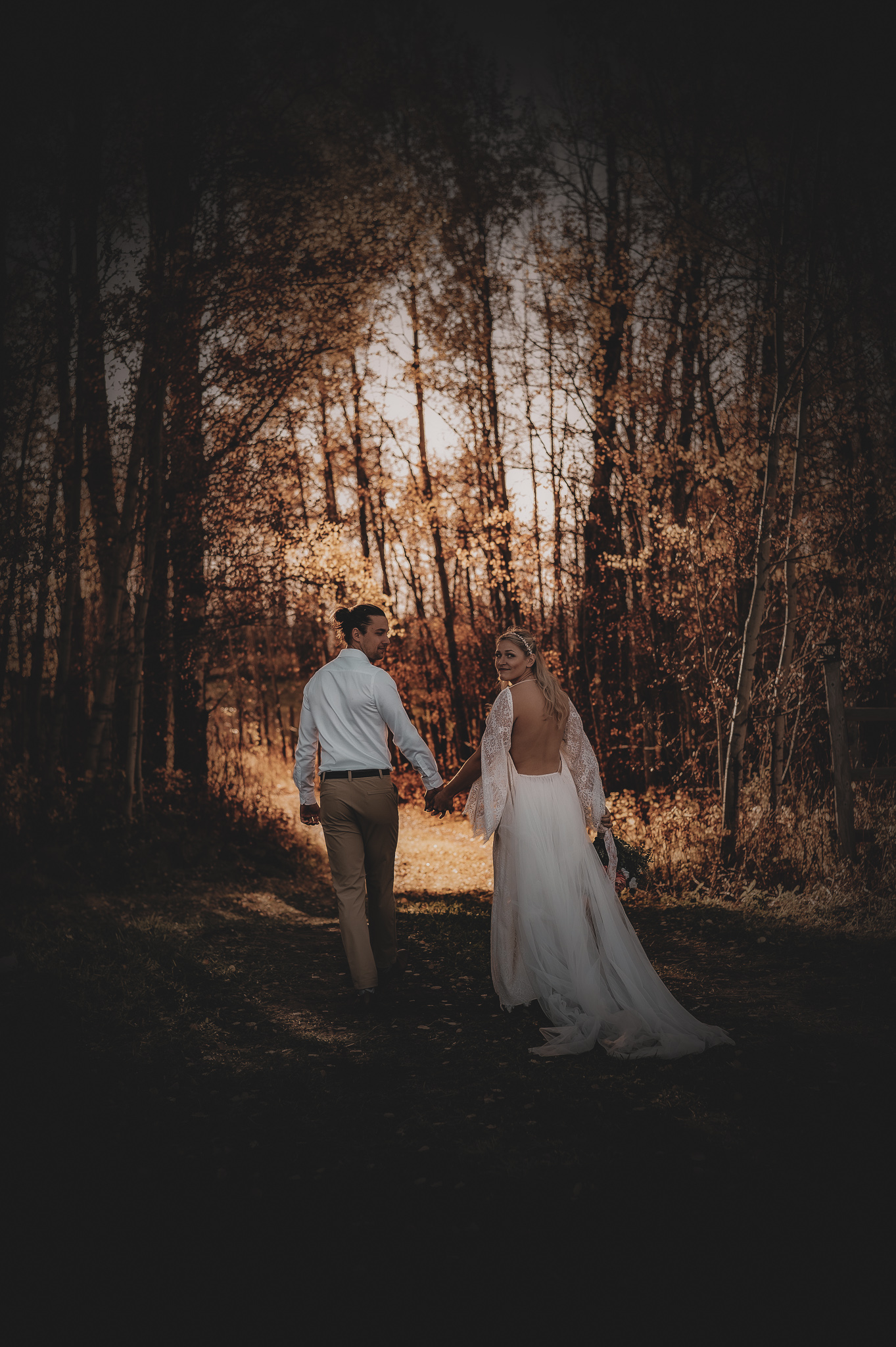
So, you're dreaming of the perfect wedding day, the kind you've envisioned since you were a kid. But then reality hits: the budget. Suddenly, the fairytale feels more like a financial obstacle course. Don't worry, you're not alone!
The idea of planning a wedding can quickly become overwhelming. How can you possibly afford everything you want? Where do you even start? The sheer number of decisions and potential costs can leave you feeling stressed and uncertain, making it difficult to enjoy the excitement of this special time.
This guide is designed to help you navigate the world of wedding budgets and show you how to create the wedding of your dreams without emptying your bank account. We'll explore practical strategies, creative ideas, and expert tips to help you stay on track and make informed decisions every step of the way.
By following the advice in this guide, you can create a detailed wedding budget, prioritize your spending, find creative ways to save money, and negotiate with vendors. You'll learn how to make smart choices that reflect your personal style and vision, all while staying within your financial means. Get ready to plan a memorable wedding that you'll cherish forever, without the stress of overspending!
Start with a Realistic Budget
Setting a realistic budget is the very foundation of your wedding planning journey. A few years back, my cousin Sarah was adamant about having a destination wedding in Italy. The initial excitement quickly faded when she and her fiancé started looking at venues and vendor costs. They soon realized their dream Italian villa was going to cost more than their first house! It was a tough pill to swallow, but they sat down, took a deep breath, and reassessed their priorities. They scaled back the guest list, opted for a beautiful, more affordable venue closer to home, and got creative with DIY decorations. The end result was a stunning wedding that reflected their personalities and, more importantly, didn't leave them with a mountain of debt. Your budget needs to be based on honest assessments of your savings, contributions from family (if any), and any loans you might be willing to take. Be realistic about what you can comfortably afford. Once you have a number in mind, stick to it!
Prioritize Your Spending
Prioritizing your spending is all about deciding what aspects of your wedding are most important to you and your partner. Wedding planning isn't just about money; it’s about values. Do you both cherish having a top-notch photographer to capture every moment? Is having an amazing band that gets everyone dancing all night a must-have? Or is having a unique and unforgettable venue the non-negotiable element? Once you identify these key areas, allocate a larger portion of your budget to them. Conversely, be willing to compromise on areas that are less crucial. Perhaps you can save money on flowers by choosing seasonal blooms or opt for a simpler cake design. By focusing on what truly matters, you can ensure that your budget reflects your priorities and that your wedding day is filled with the elements that are most meaningful to you both.
Wedding Budget History and Myths
The history of wedding budgets is intertwined with the evolution of weddings themselves. Centuries ago, weddings were primarily family affairs with minimal expenses. However, as societal expectations grew, weddings became more elaborate and costly. The concept of a formal budget emerged as a way to manage the increasing expenses and ensure that the wedding stayed within reasonable financial limits. But as with all things, there are myths too. One common myth is that you have to spend a fortune to have a beautiful wedding. The truth is, creativity and resourcefulness can go a long way in creating a stunning event on a budget. Another myth is that DIY projects are always cheaper. While DIY can save money, it also requires time and effort. Be realistic about your skills and consider whether the savings are worth the time commitment. By understanding the history and debunking the myths, you can approach your wedding budget with a more informed and realistic perspective.
Hidden Secrets to Saving Money
One of the best-kept secrets in wedding planning is flexibility. Being flexible with your wedding date, for example, can lead to significant savings. Consider getting married on a weekday or during the off-season (e.g., winter). Venues and vendors often offer lower rates during these times. Another hidden gem is negotiating with vendors. Don't be afraid to ask for discounts or bundled packages. Many vendors are willing to work with your budget, especially if you're getting married during a slower time of year. Also, look into renting items instead of buying them. Things like linens, centerpieces, and even some decorations can be rented at a fraction of the cost of purchasing them outright. And, of course, tap into your network of friends and family. You might be surprised by the hidden talents and resources within your social circle. Someone might be a skilled baker, a talented musician, or a whiz at floral arrangements. Don't be afraid to ask for help – people often love to contribute to a special occasion.
Vendor Selection Recommendations
Choosing the Right Vendors
Selecting the right vendors is crucial to staying within your budget and ensuring a successful wedding day. Start by researching vendors thoroughly. Read online reviews, compare prices, and ask for references. Once you've narrowed down your options, meet with potential vendors in person (or virtually) to discuss your vision and budget. Don't be afraid to ask questions and negotiate prices. When it comes to choosing a venue, consider all-inclusive packages. These packages often include catering, decorations, and other services, which can save you money and simplify the planning process. For photographers and videographers, look for experienced professionals who offer a range of packages to suit different budgets. Consider opting for a less extensive package or hiring a photographer for a shorter period of time. And when it comes to florists, choose seasonal flowers and incorporate greenery to keep costs down. Remember, communication is key. Be upfront with your vendors about your budget and expectations, and work together to create a wedding day that aligns with your financial goals.
Wedding Budgeting Tips and Tricks
Effective wedding budgeting involves more than just setting a number; it's about careful planning and strategic decision-making. One helpful tip is to use a wedding budget template or app. These tools can help you track your expenses, allocate funds to different categories, and stay on top of your spending. Another trick is to create a detailed guest list. The number of guests directly impacts many of your costs, so be realistic about who you can afford to invite. Also, consider trimming your guest list by only inviting close friends and family. Don't feel obligated to invite people you haven't spoken to in years. Another often overlooked tip is to factor in hidden costs. Things like postage for invitations, alterations for your dress, and tips for vendors can add up quickly. Be sure to include these expenses in your budget to avoid surprises later on. And finally, remember to set aside a contingency fund. Unexpected expenses are inevitable, so it's wise to have a buffer to cover any unforeseen costs.
DIY Wedding Decorations
DIY wedding decorations can be a fantastic way to personalize your wedding and save money at the same time. There are countless DIY projects you can tackle, from creating your own centerpieces to designing your own invitations. When it comes to centerpieces, consider using mason jars, candles, and natural elements like branches and leaves. These items are relatively inexpensive and can be arranged in a variety of creative ways. For invitations, you can design your own using online templates and print them at home or at a local print shop. If you're feeling crafty, you can even hand-make your invitations using recycled paper and embellishments. Other DIY decoration ideas include creating your own photo booth backdrop, making your own wedding favors, and designing your own signage. Just be sure to factor in the time and effort required for each project. DIY can be rewarding, but it's important to be realistic about what you can handle. If you're not a naturally crafty person, consider enlisting the help of friends and family.
Fun Facts About Wedding Budgets
Did you know that the average wedding in the United States costs over $30,000? That's a significant amount of money! Another fun fact is that wedding expenses vary widely depending on the location. Weddings in major cities like New York and San Francisco tend to be much more expensive than weddings in smaller towns. And here's a surprising statistic: many couples go into debt to pay for their weddings. While it's understandable to want a beautiful wedding, it's important to avoid starting your married life with a financial burden. Another fun fact is that the wedding industry is a multi-billion dollar industry. From venues to photographers to florists, there are countless businesses that cater to the wedding market. This means that there's also a lot of competition, which can be beneficial for couples looking to save money. By doing your research and comparing prices, you can often find great deals on wedding services. And finally, here's a heartwarming fact: many couples say that their wedding day was the best day of their lives, regardless of how much money they spent. At the end of the day, what matters most is celebrating your love with the people who mean the most to you.
How to Negotiate with Vendors
Negotiating with wedding vendors can feel intimidating, but it's a crucial part of staying within your budget. The key is to be polite, respectful, and well-informed. Before you start negotiating, research the average prices for the services you need in your area. This will give you a benchmark to work with. When you meet with vendors, be upfront about your budget and ask if they have any packages or discounts that fit your price range. Don't be afraid to ask for a lower price. Many vendors are willing to negotiate, especially if you're getting married during a slower time of year or if you're willing to pay in cash. Another negotiation tactic is to bundle services. For example, you might be able to get a discount if you book both your photographer and videographer with the same company. Also, consider offering something in return. Perhaps you can provide a glowing testimonial or refer other couples to the vendor. And finally, remember that everything is negotiable. Don't be afraid to push for a better deal. The worst that can happen is that the vendor says no. But if you're successful, you could save a significant amount of money.
What If You Go Over Budget?
Despite your best efforts, there's always a chance that you might go over budget. If this happens, don't panic. The first step is to reassess your spending and identify areas where you can cut back. Perhaps you can trim your guest list, choose less expensive flowers, or DIY some of your decorations. Another option is to look for creative ways to generate extra income. You could sell unwanted items online, take on a side hustle, or ask family and friends for help. If you're considering taking out a loan, be sure to shop around for the best interest rates and terms. Avoid high-interest credit cards, as the interest charges can quickly add up. And finally, remember that your wedding day is just one day. It's important to avoid starting your married life with a mountain of debt. If you have to make sacrifices to stay within your budget, do it. The most important thing is to celebrate your love and commitment with the people who matter most to you.
Top 5 Wedding Budget Listicle
Here are 5 tips to help you plan your big day: 1. Create a detailed budget: Start by listing all potential expenses, from venue rental to photographer fees. Allocate specific amounts to each category and track your spending diligently.
2. Prioritize your needs: Identify the elements that are most important to you, such as the venue, catering, or entertainment. Allocate more of your budget to these areas and look for cost-saving options in less crucial categories.
3. Explore DIY options: Consider DIY projects for decorations, favors, or invitations to save money and add a personal touch to your wedding.
4. Negotiate with vendors: Don't hesitate to negotiate prices with vendors. Ask for discounts, compare quotes, and explore package deals to get the best value for your money.
5. Set up payment plans: Some vendors offer payment plans that allow you to spread out the cost of their services over time. This can help make wedding expenses more manageable and prevent you from overspending.
Question and Answer About Wedding Budget Planning: Dream Wedding Without Breaking Bank
Q: How early should I start planning my wedding budget?
A: The sooner, the better! Ideally, you should start planning your budget as soon as you get engaged. This will give you ample time to research costs, compare prices, and make informed decisions.
Q: What are some common hidden wedding costs?
A: Some common hidden wedding costs include postage for invitations, alterations for your dress, vendor tips, and transportation fees. Be sure to factor these expenses into your budget.
Q: How can I save money on my wedding venue?
A: Consider getting married on a weekday or during the off-season. Venues often offer lower rates during these times. You can also look into alternative venues, such as parks, gardens, or community centers.
Q: Is it okay to ask for help from family and friends?
A: Absolutely! Many friends and family members are happy to contribute to your wedding. Don't be afraid to ask for help with DIY projects, planning tasks, or even financial assistance.
Conclusion of Wedding Budget Planning: Dream Wedding Without Breaking Bank
Planning a wedding on a budget might seem daunting, but with careful planning, creative thinking, and a willingness to compromise, it's entirely possible to create the wedding of your dreams without breaking the bank. Remember to start with a realistic budget, prioritize your spending, and explore cost-saving options. By following the tips and advice in this guide, you can stay on track, make smart choices, and enjoy a truly memorable wedding day that reflects your personal style and values.
Post a Comment